
Categories
- Blog (81)
- Canadian warehouse (3)
- US warehouse (2)
- european union warehouse (3)
- UK warehouse (1)
- Company information (7)
- Industry information (9)
- customer service (17)
- Product information (25)
Phenacetin is a classic over-the-counter painkiller that was widely used to relieve mild to moderate pain, such as headaches, joint pain, and muscle aches. So, how does Phenacetin work in the body?
Phenacetin works by acting on certain enzymes in the body to suppress pain perception and fever production. Specifically, Phenacetin primarily exerts its effects by inhibiting cyclooxygenase (COX). COX is an important enzyme responsible for the production of prostaglandins, which play a crucial role in pain and inflammation. When tissues are damaged or infected, COX catalyzes the production of prostaglandins, leading to localized inflammation and triggering pain and fever.
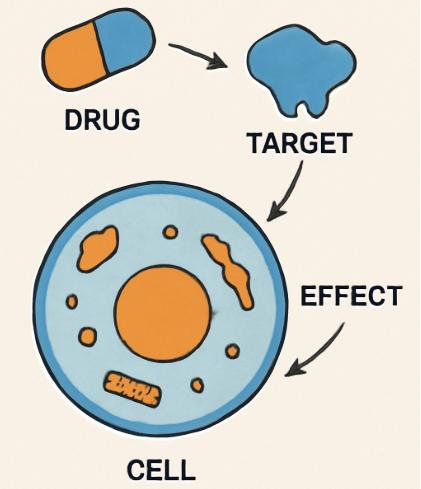
Like other common over-the-counter medications such as paracetamol (acetaminophen), Phenacetin inhibits the activity of cyclooxygenase. There are two main forms of COX—COX-1 and COX-2. COX-1 primarily functions under normal physiological conditions, participating in protective reactions in the gastrointestinal tract, such as the production of gastric mucus. COX-2, on the other hand, is mainly involved in inflammatory responses, promoting prostaglandin synthesis. Phenacetin reduces the activity of both COX-1 and COX-2, thereby decreasing prostaglandin production and alleviating pain and reducing fever.
The mechanism of action of Phenacetin is similar to that of paracetamol, which also works by inhibiting cyclooxygenase and reducing prostaglandin production to relieve pain and reduce fever. However, Phenacetin’s metabolic pathway in the body differs from that of paracetamol. Phenacetin is first metabolized into paracetamol in the body, which gives it some pharmacological properties similar to the latter. However, the metabolites of Phenacetin may cause kidney damage, and long-term use of the drug can lead to serious kidney problems.
Although Phenacetin is effective in relieving pain and reducing fever, its side effects should not be overlooked. Prolonged use or excessive doses of Phenacetin can lead to kidney damage, and in severe cases, kidney failure. Additionally, Phenacetin may also negatively impact the blood system, causing issues such as anemia.
Phenacetin works by inhibiting cyclooxygenase, reducing the production of prostaglandins, and thereby alleviating pain and reducing fever. Its mechanism of action is similar to that of paracetamol. Understanding its mechanism and potential side effects helps us better choose and use painkillers to minimize harm to the body. During treatment, patients should follow their doctor’s recommendations to select safe and effective medications.