
Categories
- Blog (81)
- Canadian warehouse (3)
- US warehouse (2)
- european union warehouse (3)
- UK warehouse (1)
- Company information (7)
- Industry information (9)
- customer service (17)
- Product information (25)
Phenacetin was once a common over-the-counter painkiller, widely used to relieve mild to moderate pain such as headaches, joint pain, and muscle aches. However, as awareness of its potential side effects has increased, people have begun looking for alternative. A variety of new medications have appeared on the market that can relieve pain while being safer and more long-lasting than Phenacetin.
Paracetamol is the most commonly used alternative to Phenacetin. Its mechanism of action is similar to that of Phenacetin, as it reduces pain and fever by inhibiting cyclooxygenase (COX) in the body. Compared to Phenacetin, paracetamol is less harmful to the kidneys and blood system, which is why it is widely used to treat various mild to moderate pains, such as headaches, joint pain, and muscle aches. Additionally, paracetamol is generally safe, but excessive intake can cause liver damage. Therefore, it is important to follow the recommended dosage.
NSAIDs, such as ibuprofen, naproxen, and aspirin, are also commonly used as alternatives to Phenacetin. These drugs alleviate pain, reduce inflammation, and lower fever by inhibiting COX-1 and COX-2 enzymes. NSAIDs are effective for treating various types of pain, particularly conditions involving inflammation, such as arthritis and sports injuries. Although NSAIDs are effective, long-term or high-dose use can increase the risk of gastrointestinal bleeding, kidney damage, and cardiovascular events, so they should be used under medical supervision.
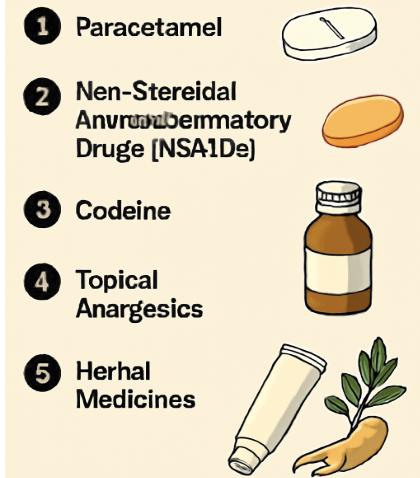
Codeine is an opioid analgesic often combined with other painkillers such as paracetamol. It relieves pain by binding to opioid receptors in the brain. Codeine is suitable for moderate to severe pain relief, especially when other painkillers are not effective. However, since codeine has addictive properties and side effects (such as constipation and drowsiness), it should only be used for short periods and under the supervision of a doctor.
For specific localized pain, such as muscle aches or joint pain, topical analgesics can be used. Examples include capsaicin cream, hot/cold compress patches, or external gels containing pain-relieving ingredients like ibuprofen or ketoprofen. These medications act directly at the site of pain and do not enter systemic circulation, resulting in fewer gastrointestinal side effects. They are suitable for short-term relief of localized pain.
In traditional medicine, certain herbal remedies can also replace Phenacetin to relieve pain and inflammation. Herbs such as Houttuynia cordata, Chuanxiong (Sichuan Lovage), and Turmeric have anti-inflammatory properties and are widely used in traditional Chinese medicine for pain relief. While the efficacy of these herbs has been somewhat validated, their effects and side effects can vary due to individual differences. Therefore, they should be used cautiously and under the guidance of a professional.