
Categories
- Blog (81)
- Canadian warehouse (3)
- US warehouse (2)
- european union warehouse (3)
- UK warehouse (1)
- Company information (7)
- Industry information (9)
- customer service (17)
- Product information (25)
Benzocaine is a local anesthetic commonly used to relieve localized pain or discomfort. It is an ester-type anesthetic, chemically related to other common local anesthetics such as lidocaine and procaine. Due to its lower toxicity and short duration of action, benzocaine is widely used in over-the-counter products and everyday care. Its primary function is to temporarily relieve local pain by inhibiting nerve conduction at the nerve endings, which is why it is found in many household medications.
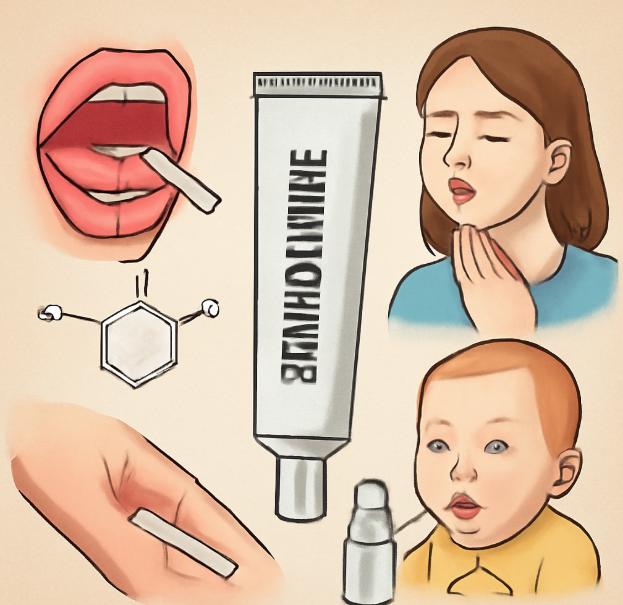
Mechanism of Action of Benzocaine
Benzocaine works by interfering with sodium ion channels in nerve cell membranes, blocking the influx of sodium ions and thereby preventing the transmission of nerve signals. As a result, the sensation of pain in the localized area is alleviated. This effect is usually short-lived, with the relief gradually fading after a few minutes, making it suitable for providing temporary relief of mild pain and discomfort.
Primary Uses of Benzocaine
Relieving Oral and Dental Pain
One of the most common uses of benzocaine is to relieve oral or tooth pain. Many oral gels or sprays containing benzocaine are used to treat mild pain caused by tooth sensitivity, toothaches, mouth ulcers, or glossitis. By directly applying it to the affected area, benzocaine quickly produces an anesthetic effect that alleviates discomfort.
Treating Sore Throats
Benzocaine is also frequently used to ease sore throat pain, especially for inflammation caused by colds or other upper respiratory infections. Many throat lozenges or sprays containing benzocaine can help alleviate the burning or stinging sensation in the throat. These products are suitable for both adults and children, but special care should be taken when using them in children to avoid potential side effects from excessive use.
Topical Pain Relief
Benzocaine is also used to relieve minor skin pain, such as that caused by cuts, abrasions, insect bites, or burns. As a topical medication, it helps reduce discomfort from these minor injuries, preventing anxiety or discomfort triggered by the pain.
Relieving Genital Area Discomfort
Benzocaine is often used to alleviate pain caused by hemorrhoids or other genital area discomfort. There are several hemorrhoid creams or sprays containing benzocaine that can help reduce pain and discomfort from hemorrhoids or other local irritations.
Oral Care for Infants
During teething, benzocaine can be used to relieve gum swelling and pain in infants. Many oral gels designed for babies contain benzocaine to help reduce irritation and discomfort caused by teething. However, it is essential to be cautious when using benzocaine on infants, as excessive use can lead to adverse effects.
Advantages and Disadvantages of Benzocaine
Advantages:
Fast-Acting: Benzocaine typically provides rapid pain relief with noticeable effects shortly after application.
Versatile: It is used for a wide range of conditions involving the mouth, skin, and throat, making it highly versatile.
Convenient: Benzocaine is available in various forms such as sprays, gels, and ointments, making it easy to use.
Disadvantages:
Short Duration: The effects of benzocaine are usually short-lived, and the anesthetic relief gradually fades over time.
Risk of Side Effects: Although benzocaine is relatively safe, prolonged or excessive use may cause allergic reactions. In rare cases, it can lead to methemoglobinemia, a condition that interferes with oxygen transport in the body.
Conclusion
Overall, benzocaine, as a local anesthetic, has widespread applications in daily life. Whether relieving toothaches, sore throats, or minor skin wounds, it can effectively provide short-term pain relief. However, it is essential to use it in moderation, especially for children and the elderly, to avoid adverse reactions.