
Categories
- Blog (81)
- Canadian warehouse (3)
- US warehouse (2)
- european union warehouse (3)
- UK warehouse (1)
- Company information (7)
- Industry information (9)
- customer service (17)
- Product information (25)
Phenacetin is a widely used pain reliever, primarily for alleviating mild to moderate pain such as headaches, joint pain, and muscle aches. However, as awareness of its side effects has increased, it has been found to pose potential risks to the kidneys and blood system. This article will explore the side effects of Phenacetin and its impact on health.
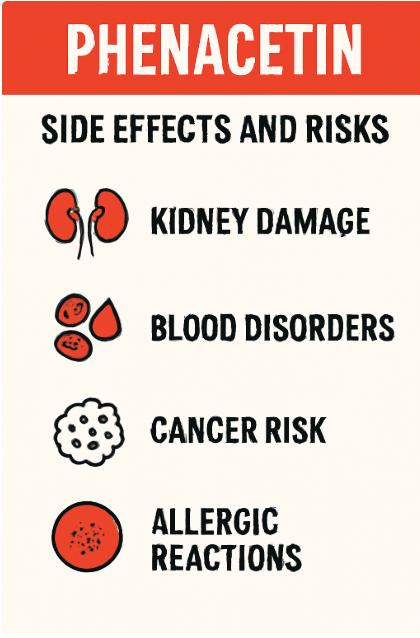
The most well-known side effect of Phenacetin is its toxicity to the kidneys. Long-term or high-dose use of Phenacetin increases the risk of kidney damage and can even lead to severe kidney failure. Studies have shown that Phenacetin can cause a condition known as “analgesic nephropathy,” which is commonly seen in individuals who have used Phenacetin for extended periods in large quantities. This condition is characterized by renal tubular damage, glomerulosclerosis, and kidney atrophy, which can ultimately progress to end-stage renal disease (ESRD). Therefore, it is crucial to follow a doctor’s advice before using any medication and avoid prolonged high-dose use, especially for those with existing kidney issues.
In addition to kidney damage, Phenacetin is also associated with abnormalities in the blood system. Patients using Phenacetin may develop leukopenia (a decrease in white blood cells) or anemia (a reduction in red blood cells). Leukopenia weakens the immune system, making the body more susceptible to infections and increasing the risk of infection. Anemia leads to a reduced number of red blood cells, which impairs oxygen transport, resulting in symptoms like fatigue, weakness, and dizziness. Individuals who use Phenacetin for extended periods, particularly those relying on it for chronic pain relief, may face these blood-related issues.
Long-term use of Phenacetin may also increase the risk of certain types of cancer, particularly kidney cancer. Epidemiological studies have indicated that individuals who have used large amounts of Phenacetin over extended periods have a higher incidence of kidney cancer. Although the conclusions of such studies are still debated, concerns about the drug’s potential to induce cancer began to surface in the 1980s. While cancer is typically the result of multiple factors, Phenacetin cannot be entirely ruled out as a contributing factor.
Another notable side effect of Phenacetin is allergic reactions. Some individuals may experience rashes, hives, or itching after using the drug. More severe allergic reactions can include difficulty breathing and throat swelling, which can be life-threatening. While these reactions are relatively rare, they still require caution, particularly for individuals with sensitive immune systems.
In addition to the major side effects mentioned above, Phenacetin can also negatively affect other organ systems. For instance, long-term use may lead to gastrointestinal discomfort, such as nausea, vomiting, or indigestion. For individuals already dealing with gastrointestinal issues, Phenacetin can exacerbate these symptoms. Additionally, using Phenacetin may cause central nervous system symptoms, such as headaches, dizziness, and insomnia, especially when taken in excess.
For individuals who require long-term pain relief, it is advised to choose and use medications under the guidance of a healthcare professional to avoid unnecessary health risks.